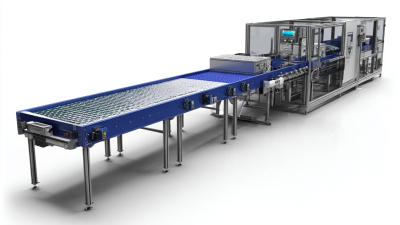
Picking the right drag chain conveyor really can make a big difference in your production lines. I mean, John Smith from Conveyor Solutions Inc., a pretty well-known guy in the industry, always says, ‘The right conveyor can totally change how smoothly your workflow runs.’ It’s so true, especially in industries where every second counts. When you're choosing a conveyor system, it's not just about picking something off the shelf; you gotta think about the details. Things like what material you'll be moving, how much weight it needs to carry, and how much space you've got to work with—all that stuff really impacts how well it performs.
But honestly, a lot of folks overlook those little details, which can end up costing a pretty penny later on. Size and speed? They’re super important. If your conveyor's too small, you might end up with delays—no one wants that. On the flip side, if it’s too big or fast, you're just wasting energy and money. So, it’s really about understanding what fits your specific needs. Take your time, weigh all those factors carefully. When you get it right, a good Drag Chain Conveyor can seriously boost your productivity and save you headaches down the line.
Drag chain conveyors are essential tools in many industries. They transport bulk materials efficiently. These systems utilize chains to pull or push materials along a designated path. Understanding their applications helps in making the right choice for your needs.
In various settings, drag chain conveyors handle different materials, like grains, ores, or even powders. Their robust design enables them to deal with heavy loads. However, the choice of conveyor depends on specific application requirements. For example, the type of material and the speed needed can affect which conveyor is suitable. It’s vital to assess the material’s characteristics.
Maintenance is also a key factor. Some systems may require frequent upkeep. If neglected, operating efficiency can decrease. Thus, weighing the initial costs against long-term maintenance is crucial. Choosing the right conveyor isn't just about the upfront investment. It involves looking at overall durability and performance.
Choosing the right drag chain conveyor can be challenging. There are several key factors to consider. Start with the material you need to transport. Different materials require different types of chains. For instance, heavy materials may need a more robust design. Lighter materials can use standard chains effectively.
Next, consider the environment where the conveyor will operate. Is it indoors or outdoors? Dust, moisture, and temperature extremes can affect performance. Conveyor systems in humid areas may need specialized coatings to prevent corrosion. Think about the space limitations too. A wider conveyor may not fit in a cramped area.
Also, the design and layout are crucial. Curved or vertical configurations might be necessary for your facility. Some options can be complex and take time to install. Budget constraints are always a factor. Sometimes, a less expensive option may fit your needs better. It's tempting to go for the cheapest choice, but assess long-term costs too. Maintenance needs can add up rapidly. Always reflect on which design will ultimately serve you best.
Drag chain conveyors come in various types, each suited to specific tasks. The most common types include tubular, flat top, and underground drag chain conveyors. Tubular conveyors are ideal for transporting bulk materials. They protect the product from environmental factors. Flat top conveyors excel in applications requiring frequent loading and unloading. They are efficient and easy to maintain.
In a report by the Conveying Equipment Manufacturers Association, the demand for specialized conveyors has increased by 15% in recent years. This trend reflects the growing need for efficient material handling across industries. Each type of conveyor has unique specifications. The wrong choice can lead to inefficiencies and increased costs.
Selecting the right conveyor often involves trial and error. Companies may underestimate the required capacity. Some may overlook the effects of wear and tear. Proper evaluation is crucial. Understanding material properties and work environment can guide better decisions. Balancing cost with efficiency is essential for optimizing operations.
| Type of Drag Chain Conveyor | Material Handled | Typical Applications | Advantages | Limitations |
|---|---|---|---|---|
| Standard Drag Chain Conveyor | Bulk materials, such as granules and powders | Food processing, chemical industries | Versatile, robust design | Limited speed with heavy loads |
| Heavy-Duty Drag Chain Conveyor | Heavy bulk materials, such as metal scrap | Metals recycling, heavy manufacturing | High load capacity, durable | Higher initial cost, requires more space |
| Enclosed Drag Chain Conveyor | Fine powders, dust-sensitive materials | Pharmaceuticals, food processing | Dust-tight, minimizes spillage | Complex installation, costly maintenance |
| Chain Conveyor with Side Guards | Loose materials, bulk products | Construction, agricultural sectors | Prevents material falling, easy handling | Limited to certain material shapes |
| Modular Drag Chain Conveyor | Various materials depending on modular design | Flexible manufacturing processes | Customizable, easy to modify | Potentially higher costs for modifications |
When selecting a drag chain conveyor, understanding material characteristics is critical. The type of material you plan to transport significantly impacts the design and function of the conveyor. For instance, heavy bulk materials require robust and durable chains. Lighter materials may not need such strength. Yes, the size and shape of the materials also matter. They can alter the conveyor's performance considerably.
Consider the friction properties of your materials. High-friction materials may cause excessive wear on the conveyor, shortening its lifespan. You must also think about temperature ranges. Some materials may degrade under high heat, so thermal resistance is essential. It's easy to overlook these details, yet they can lead to inefficiency or even failure over time.
Evaluate further aspects, like moisture content and bulk density. These factors can influence flow and throughput. There's a delicate balance between selecting a suitable conveyor and understanding your materials' nuances. You might discover that your initial choice was not ideal after testing in real conditions. Reflection on these practical experiences is invaluable for future projects.
When evaluating conveyor design and configuration options, it's crucial to consider your specific needs. The right drag chain conveyor can enhance efficiency. Research shows that poorly designed conveyors can reduce productivity by up to 20%. Understanding your material type and flow direction is essential for optimal performance.
Materials play a significant role in choosing the correct conveyor. For instance, heavy or abrasive materials require stronger chain materials. Engineering reports suggest using hardened steel in these cases. A mismatch can lead to wear and increase maintenance costs.
Configuration options also affect conveyor effectiveness. For instance, fixed incline conveyors may be ideal for certain layouts. However, flexibility in design allows better adaptation to changing workflows. Many companies overlook this aspect, leading to inefficiencies. Modularity can allow adjustments when needed. This adaptability may save time and resources in the long run.
When selecting a drag chain conveyor, understanding your capacity and performance needs is critical. Start by assessing the type of materials you will transport. Consider weight, size, and flow characteristics. Each material interacts differently with conveyors. What works for one might not work for another. This should not be an afterthought.
Next, determine the required throughput. How much material will you need to move in a specific time frame? Having precise numbers helps in selecting the right specifications. Track your operations for a while. Analyze peak times and average flows. This data can highlight potential oversights in your initial estimates.
Don’t forget about maintenance. Some conveyors need more care than others. If your operation is high-speed, downtime can be costly. Look for systems that offer easy access for repairs. Think about the long term. Sometimes, cheaper options lead to bigger issues later. Always weigh initial costs against potential operational impacts.
When considering maintenance for drag chain conveyors, several key factors come into play. Regular inspection is crucial. Look for signs of wear on the chains and sprockets. Lubrication should be performed at recommended intervals to prevent friction. Ignoring this can lead to breakdowns.
Cleaning is another essential task. Dust and debris can accumulate, affecting performance. A vacuum system can help manage this. However, some systems might require manual cleaning, which can be labor-intensive. Consider your facility's needs before making decisions.
Finally, training your staff on best practices is vital. Educate them on recognizing potential issues early. This proactive approach can save time and money. However, not all employees might grasp these concepts quickly. Regular training updates could be necessary, emphasizing continual improvement and adaptation.
In the realm of efficient material handling, plastic flexible chain spiral conveyors emerge as a cutting-edge solution that addresses a variety of industrial needs. These conveyors are designed primarily for lifting and transporting materials across different elevations, making them pivotal in sectors such as packaging, pharmaceuticals, papermaking, chemicals, and food processing. The innovative design of spiral conveyors allows for seamless integration into existing systems, providing a reliable and effective means of moving materials vertically and horizontally.
The versatility of spiral conveyors lies in their ability to accommodate both upward and downward transportation of goods. By utilizing a screw mechanism, these conveyors ensure a smooth and continuous flow of materials, which is essential for optimizing production processes. This feature not only enhances operational efficiency but also contributes to improved safety within the workplace, as materials can be moved without the need for manual handling. Furthermore, the use of plastic in flexible chain construction offers the added benefits of reduced weight and corrosion resistance, leading to longer service life and lower maintenance costs.
Overall, plastic flexible chain spiral conveyors represent a significant advancement in material handling technology, enabling businesses to enhance their productivity and streamline their operations. Their innovative design and practical applications make them an invaluable asset across various industries looking to improve their material handling systems.
: The common types are tubular, flat top, and underground drag chain conveyors. Each type serves different purposes.
Tubular conveyors are ideal for transporting bulk materials while protecting them from environmental factors.
Flat top conveyors excel in applications needing frequent loading and unloading. They are efficient and easy to maintain.
Incorrect conveyor choices can lead to inefficiencies and increased costs. Evaluating needs is crucial.
Consider material type, flow direction, and configuration options for optimal performance. Mismatches can reduce efficiency.
Heavy or abrasive materials require stronger chain materials. Using inappropriate materials can increase maintenance costs.
Regular inspections, lubrication, and cleaning are key. Neglecting these can lead to costly breakdowns.
Training helps employees recognize potential issues. Not everyone absorbs concepts quickly, so regular updates are needed.
Flexible designs adapt to changing workflows better. Many overlook this, risking inefficiencies in operations.
Dust and debris can hinder performance. A vacuum system might help, but some systems require manual cleaning, which is labor-intensive.
Choosing the right Drag Chain Conveyor involves a thorough understanding of its applications and key factors that influence selection. Factors such as the specific material characteristics, conveyor design, and configuration options play a crucial role. Additionally, evaluating capacity and performance requirements is vital to ensure optimal operation.
When selecting a Drag Chain Conveyor, it is also important to consider maintenance requirements, which can impact the longevity and efficiency of the equipment. By thoroughly assessing these elements, businesses can make informed decisions that align with their operational needs, ensuring effective material handling and transportation in various settings.